Campus history
The Biotech Campus Delft is build on the proud history of outstanding biotech innovations developed in Delft.
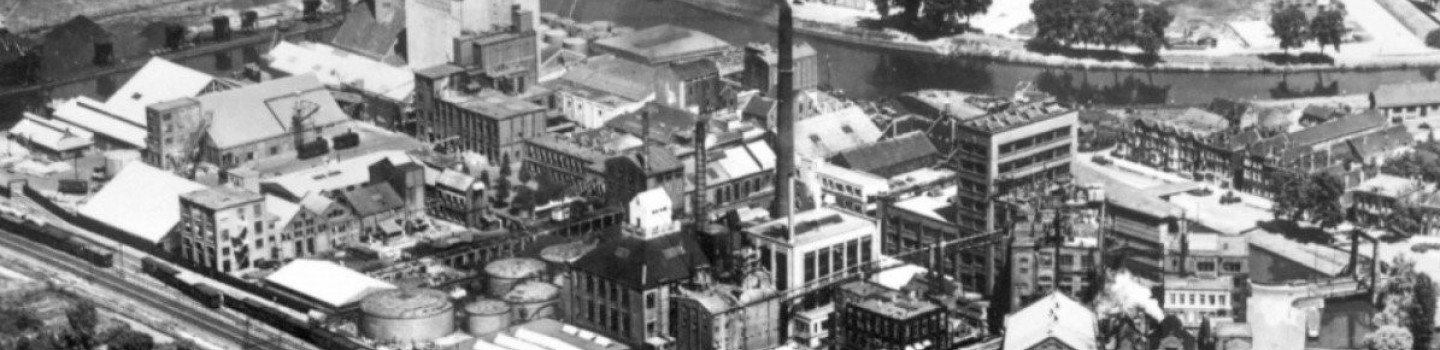
Delft has been one of the biotechnology hotspots of the world since centuries. Antoni van Leeuwenhoek was born in Delft in 1632 and got world famous for his groundbreaking discoveries on microscopes, for the first time getting a glimpse of the invisible, microbial world. In 1869, Jacques van Marken, the first chemical engineer that graduated from the Technical University of Delft (TU Delft), created a yeast factory in Delft, building the foundation of the yeast factory that was used until the end of 2025. In 1885, Martinus Beijerinck started his work at the yeast factory and 10 years later he became a professor at the TU. He made many world-famous discoveries in microbiology and virology. Also in the 20th century, many important biotech discoveries were done in Delft.
In 1968 the Dutch Yeast and Spirits Factory merged with Brocades to form the Royal Gist-Brocades NV. In 1998 the Royal Gist-Brocades NV was taken over by multinational DSM. In 2018, the Delft site was opened to external parties active in biotechnology by the board of DSM, with the aim of sharing knowledge and infrastructure and developing an open innovation campus; the Biotech Campus Delft (BCD). In 2019, DSM in Delft celebrated its 150 anniversary and being a front runner in biotechnological innovations with global impact. In 2023 DSM merged with Firmenich, becoming dsm-firmenich. Also in 2023, dsm-firmenich, ASR Dutch Science Park Fund and Planet B.io entered into a partnership to further develop the BCD. At present, over 25 companies are located on the BCD.